


The Outer Banks Oyster Trail
There’s more to an oyster than what’s on the half shell. Along the Outer Banks, oysters connect visitors to the waters that surround these islands, the people who make their living from the sea and the coastal ecosystems that make this place special.
The Outer Banks Oyster Trail is your invitation to follow that connection. Taste North Carolina-grown oysters, discover oyster farms and working waterfronts, learn why oysters are essential to healthy coastal waters and find ways to give back to the sounds and estuaries that support them.
The Outer Banks experience is part of the North Carolina Oyster Trail, a statewide collection of oyster farms, restaurants, seafood markets, educational organizations and other places where visitors can discover the story behind North Carolina oysters.
What Is the Outer Banks Oyster Trail?
The Outer Banks Oyster Trail is a self guided trail that combines local food, education, and eco tourism along our barrier islands and surrounding sound waters. If you follow the trail, you’ll discover places to taste North Carolina oysters, learn about oyster farming and aquaculture, explore the area’s working waterfronts and understand the important role oysters play in coastal ecosystems.
The Outer Banks is particularly well suited to an oyster trail. Our communities are surrounded by sounds, canals, and estuaries that support oysters and other marine life, while generations of fishermen, seafood businesses and aquaculture growers have built livelihoods around these waters.
The trail also connects the Outer Banks to the larger North Carolina Oyster Trail, which stretches across the state's coastal communities and beyond.
Explore the NC Oyster Trail map to find participating oyster farms, restaurants, markets, and other experiences.
Taste Your Way Along the Outer Banks
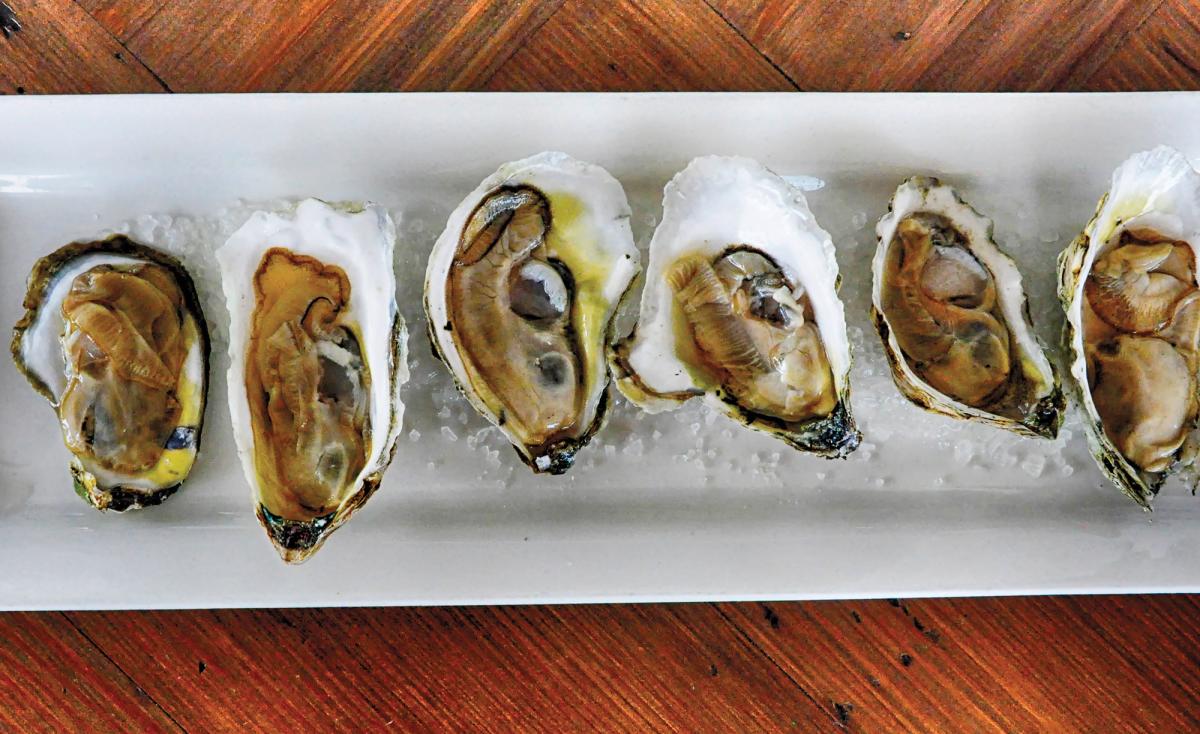
Outer Banks restaurants and seafood markets serve North Carolina oysters in all sorts of ways. You can try them raw on the half shell to experience their natural flavor, or enjoy them steamed, roasted, baked, or fried.
If you're tasting oysters from different farms, pay attention to their differences. Growing conditions, farming methods, and the waters where oysters are raised can all influence their size, texture and flavor.
When you're ordering, ask where your oysters came from. Choosing North Carolina-grown oysters is a delicious way to support local growers and the state's coastal economy.
North Carolina farmed oysters are available year-round, while the state's wild oyster harvest season begins October 15.
Outer Banks Oyster Trail restaurants and fish markets include:
- Dune Street Raw Bar & Grill (Nags Head).
- Whalebone Seafood Market (Nags Head).
- Blue Water Grill & Raw Bar (Manteo).
- The Froggy Dog Restaurant & Pub (Avon).
Learn About Oyster Farms & Aquaculture
Want to know how an oyster gets from the water to your plate?
Exploring the Outer Banks Oyster Trail is a great way to learn about shellfish aquaculture and the people growing oysters in North Carolina's coastal waters. Depending on the location and season, experiences may include farm tours, educational programs, plus opportunities to learn about the tools and techniques used to raise oysters.
Oyster farming is an important part of North Carolina's working waterfronts. Farmers raise oysters in the sounds and estuaries, where the shellfish grow while filtering water and providing habitat for other marine life.
Check individual trail listings before visiting. Farm tours and other experiences may require advance reservations, and availability can vary by season.
Why Oysters Matter
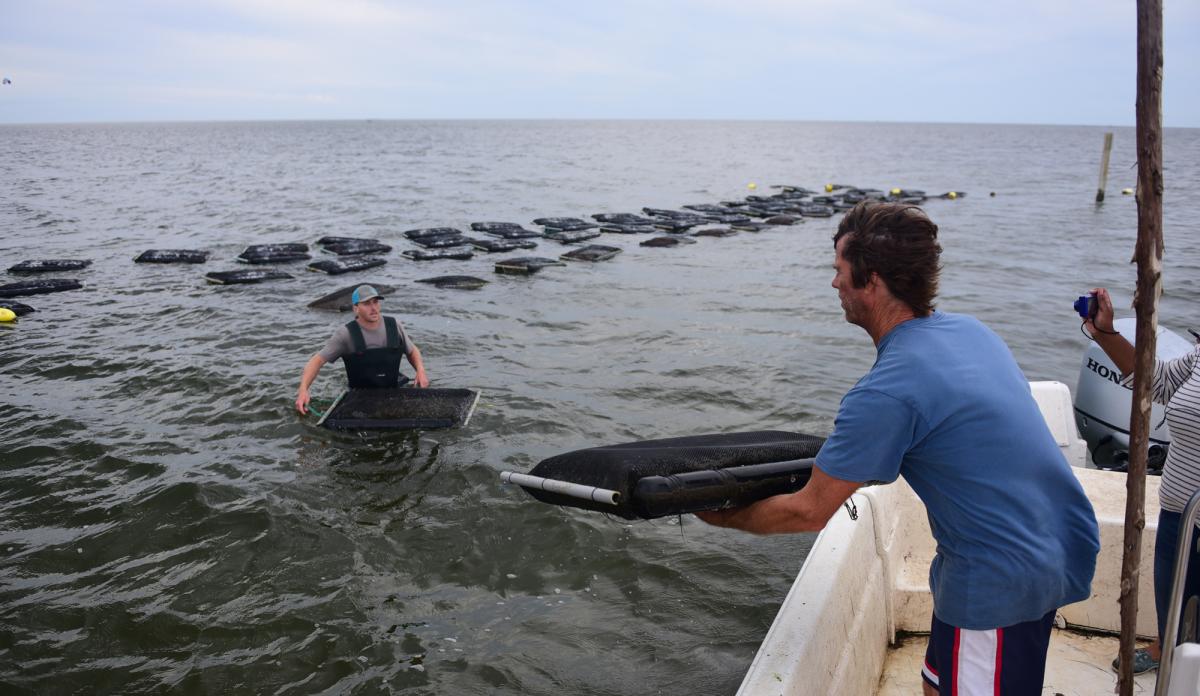
Healthy oyster populations contribute to the overall health of North Carolina's sounds and estuaries. As filter feeders, oysters remove particles from the water as they feed, and an adult oyster can filter up to 50 gallons of water a day! Oyster reefs create habitat for fish, crabs, and other marine life.
Oyster reefs are also busy underwater neighborhoods, giving fish, shrimp, clams, blue crabs and other marine life a place to feed, hide and grow. A healthy reef can support more than 300 types of adult and juvenile organisms, including species that matter to both local fisheries and recreational anglers.
Oysters have also been part of North Carolina's coastal economy and culture for generations. Today, wild harvest and oyster aquaculture connect that history with efforts to support sustainable seafood and restore oyster habitat.
So when you order North Carolina oysters, you're tasting a little bit of the coast, while supporting an industry that's connected to the health and heritage of these waters.
From Oyster Roast to Oyster Reef
Recycle your used oyster shells at designated collection sites around the Outer Banks. Recycled shells can eventually be returned to coastal waters and used to create oyster reefs, providing hard surfaces where young oysters can attach and grow.
Oyster reefs provide habitat for marine life, help improve water quality, and play an important role in healthy coastal ecosystems. Recycling shells helps keep this natural resource in the restoration cycle.
Where to Recycle Oyster Shells on the Outer Banks
Several oyster shell recycling locations are available throughout Dare County. If you've enjoyed oysters during your Outer Banks visit, consider saving the shells and taking them to an official collection site.
Nags Head Woods Preserve - 701 Ocean Acres Dr, Kill Devil Hills, NC 27948
The Nature Conservancy’s Nags Head Woods Preserve has an oyster shell recycling drop-off near the preserve parking area. The shells collected here contribute to oyster restoration efforts, making this a meaningful stop for visitors who love both conservation and the natural side of the Outer Banks.
Jockey’s Ridge State Park - 300 W Carolista Dr, Nags Head, NC 27959
Jockey’s Ridge State Park is another Dare County spot where oyster shells can be dropped off for recycling. It’s a fitting place to send shells onward after a seafood feast: from the land of towering dunes back into the coastal restoration cycle.
Tip: When entering the parking lot, bear left; you will find the oyster shell pile at the northeast corner of the parking lot.
Kill Devil Hills Recycling Center - 701 Bermuda Bay Blvd, Kill Devil Hills, NC 27948
The Kill Devil Hills Recycling Center participates in the oyster shell recycling program and provides another convenient place to return shells for their next chapter.
Tip: The recycling center staff will direct you to the appropriate location to place your oyster shells.
Kitty Hawk Recycling Center - 4190 Bob Perry Rd, Kitty Hawk, NC 27949
The Kitty Hawk Recycling Center is also part of Dare County’s oyster shell recycling network.
Wanchese Marine Industrial Park - 636 Harbor Rd, Wanchese, NC 27981
In the heart of one of the Outer Banks’ historic commercial fishing communities, Wanchese Marine Industrial Park provides another oyster shell recycling location. It’s a natural fit in a village where the connection between the water and the table runs deep.
Tip: Leave oyster shells in one of the small piles on the right side of the lot.
Town of Duck - 1200 Duck Rd, Duck, NC 27949
The Town of Duck is also listed as an oyster shell recycling location in Dare County.
Tip: You can find the oyster recycling bins at the back of the parking lot located near the Town of Duck’s playground entrance.
Before making a special trip, check the North Carolina Coastal Federation’s current oyster shell recycling information for locations and drop-off instructions.
Please don’t toss oyster shells directly into the ocean, sound or onto the beach. Official collection sites ensure shells are properly handled, prepared and incorporated into restoration projects where they can do the most good.
Hosting an Oyster Roast?
If you're planning an oyster roast, seafood festival or other large gathering, think about the shells before the event begins. The North Carolina Coastal Federation works with restaurants, businesses and events to collect oyster shells for restoration through programs such as Restaurant to Reef.
Keeping shells out of the landfill means the material can eventually become part of a new oyster reef.
Enjoy the oysters. Save the shells. Help rebuild the reef.
Celebrate NC Oyster Month
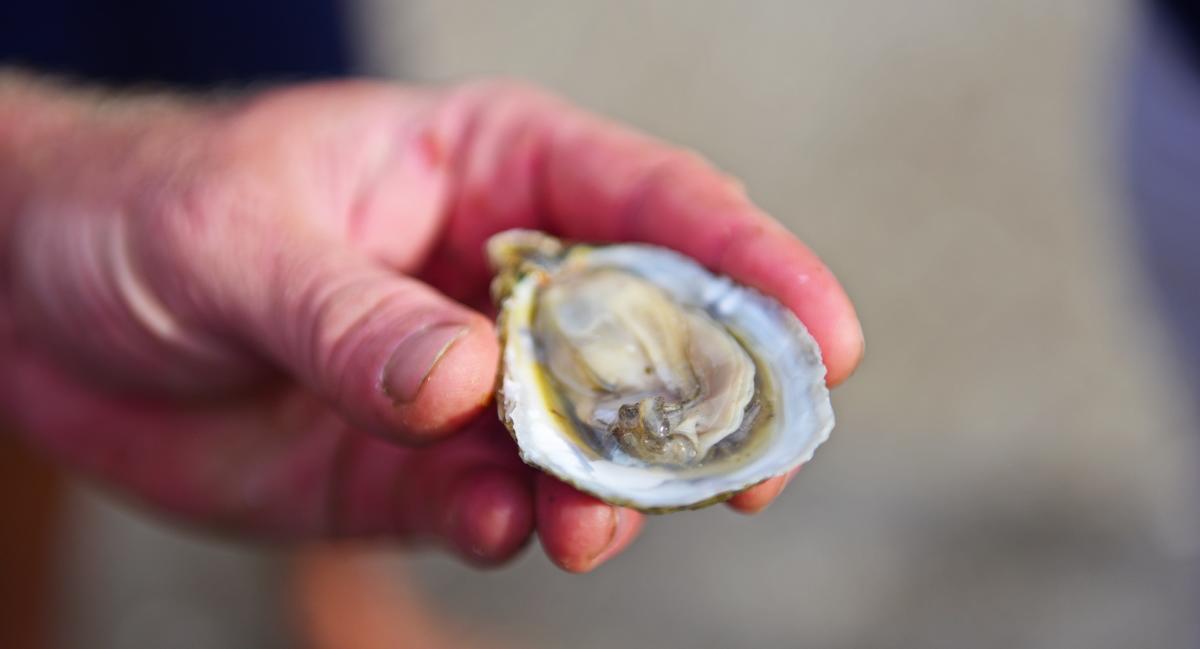
Every October, North Carolina celebrates NC Oyster Month, a statewide celebration of the history, culture, economy and ecology of oysters.
October is an especially fitting month for oyster lovers. North Carolina's wild oyster harvest season begins October 15, while farmed oysters are available throughout the year. Across the state, NC Oyster Month brings together oyster growers, restaurants, educators, conservation organizations and seafood lovers for oyster-themed events and experiences.
On the Outer Banks, fall is a great time to follow the Oyster Trail. Look for oyster roasts, seafood festivals, restaurant specials, educational programs and other events celebrating the state's coastal foodways.
NC Oyster Month is also an opportunity to look beyond the plate. Learn about oyster aquaculture, visit a participating farm, discover how oyster reefs support coastal ecosystems or recycle the shells from your next oyster feast.
October isn't just oyster season. It's oyster shellabration season.
Upcoming Oyster Roasts & Seafood Events
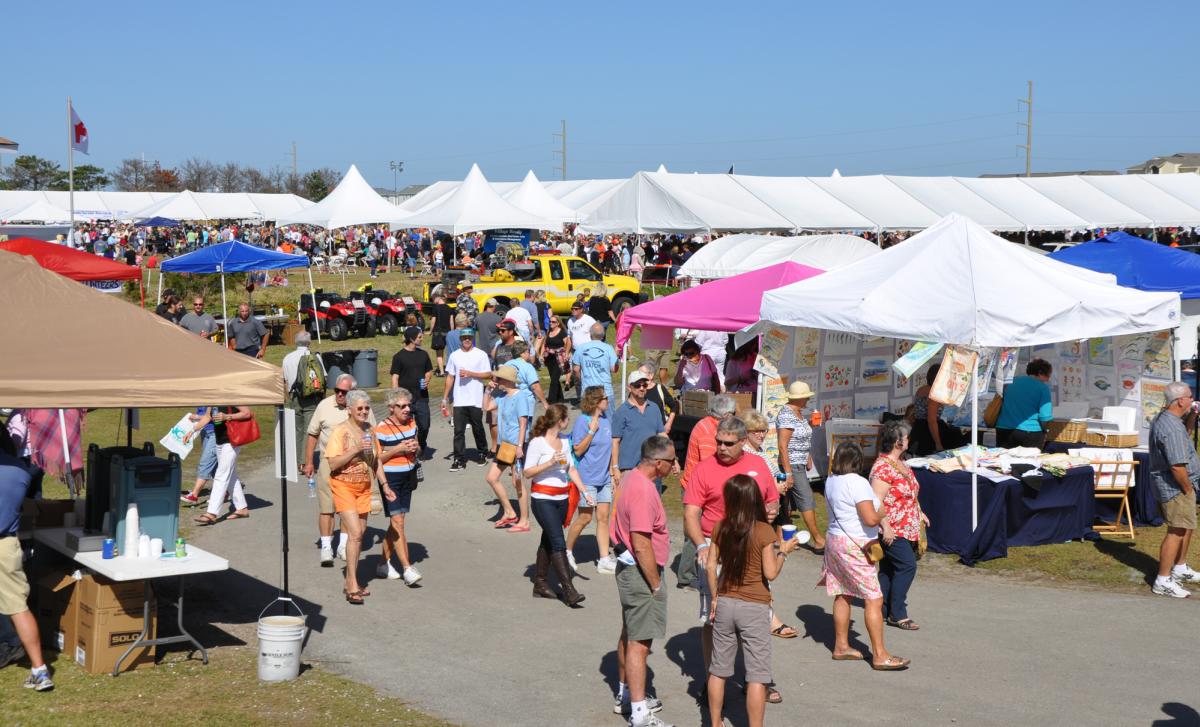
An oyster roast is about as coastal as a gathering gets. Friends and family gather around steaming oysters, local seafood, cool-weather air, and good conversation - a tradition that feels right at home on the Outer Banks.
Fall and winter are especially good seasons to look for oyster roasts and seafood celebrations. New events are added throughout the year, so check the Outer Banks events calendar when planning your visit.
- Shuck for the Ridge - October 3, 2026 at Jockey’s Ridge State Park
- Outer Banks Seafood Festival - October 17, 2026 at The Soundside Event Site
- Roanoke Island Oyster Shellabration & BBQ - November 1, 2026 at The Roanoke Island Historical Association in Wanchese
Event dates and details can change, so check with individual event organizers before making plans.
Find More Oyster Events
Oyster roasts, seafood festivals and other culinary events happen throughout the Outer Banks, particularly during the cooler months and around NC Oyster Month.
Browse upcoming events on the Outer Banks to find current oyster roasts, seafood celebrations, festivals and other ways to experience the local food scene.
Event dates and details can change, so check with individual event organizers before making plans.
Ways to Experience the Outer Banks Oyster Trail
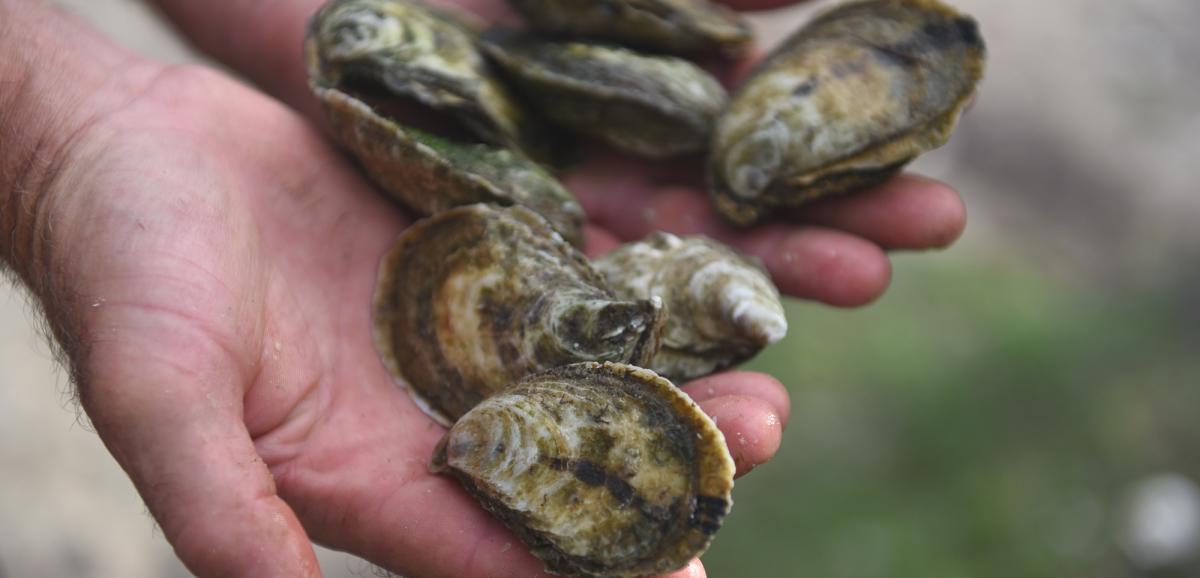
You don't need to complete the entire statewide trail to enjoy the oyster experience on the Outer Banks. Make it as simple or adventurous as you'd like.
Start with a meal. Order North Carolina oysters at a local restaurant or seafood market and ask where they were grown.
Visit an oyster farm. Look for participating farms and educational experiences on the NC Oyster Trail map, and make reservations when required.
Explore a working waterfront. Visit communities such as Wanchese to see the connection between the Outer Banks and North Carolina's commercial fishing and seafood industries.
Plan a fall visit. October brings NC Oyster Month, while the beginning of the wild oyster harvest season makes fall an especially fitting time to celebrate oysters.
Recycle your shells. After an oyster roast or seafood dinner, save your shells and take them to an official oyster shell recycling location.
Make it a road trip. The NC Oyster Trail extends throughout North Carolina, so continue exploring as you travel beyond the Outer Banks.

