

Updated July 2026
You may be wondering why America’s tallest lighthouse is still encased in scaffolding. As with any restoration project, you never know what is concealed beneath the surface — and removing layers of paint and examining the Cape Hatteras Lighthouse’s historic structure has revealed both challenges and opportunities for preservation.
While restoration work continues, significant progress is being made on one of the Outer Banks’ most iconic landmarks. The project is providing a rare opportunity for visitors to see Cape Hatteras Lighthouse in a way few generations ever will — with portions of the historic brickwork exposed, preservation efforts underway and the craftsmanship behind this national treasure on display.
Read on to learn more about the history of this beloved lighthouse, the restoration project and what visitors can experience during this exciting chapter.
The History of Cape Hatteras Lighthouse
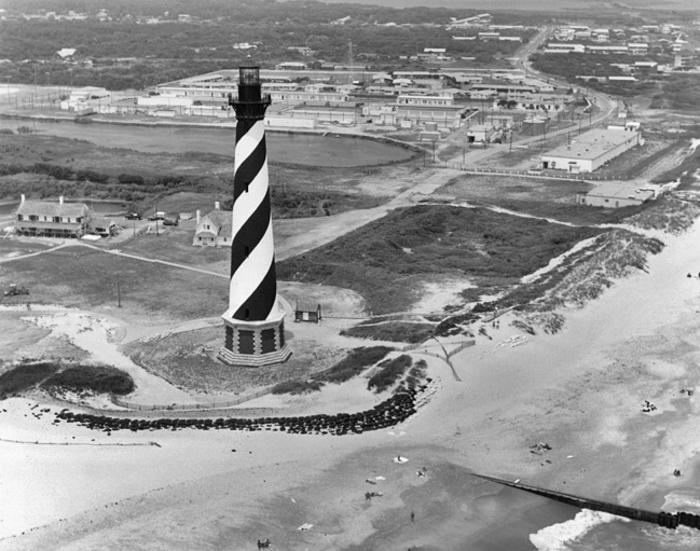
The story of Cape Hatteras Lighthouse began long before the iconic striped tower visitors know today.
The first Cape Hatteras Lighthouse was completed in 1803. However, the 90-foot tower was too short to be easily seen by passing ships, blended into the surrounding landscape and provided an inadequate signal for mariners navigating the dangerous waters off the Outer Banks.
Plans were made for a new lighthouse, and construction of the current Cape Hatteras Lighthouse was completed in 1870. Standing 198.49 feet from its foundation to the top of the tower, it remains the tallest brick lighthouse in the United States.
For more than 150 years, the lighthouse has served as a symbol of the Outer Banks’ maritime heritage and the connection between coastal communities and the sea.
In 1999, the Cape Hatteras Lighthouse underwent another historic chapter when it was moved approximately 2,900 feet inland due to the threat of coastal erosion. The move took 23 days to complete and placed the lighthouse at a location that restored its original distance from the shoreline.
The relocation project also included moving several historic structures, including the Principal Keeper’s Quarters, Double Keepers’ Quarters, dwelling cisterns and the Oil House.
Before the current restoration project began, approximately 500,000 visitors experienced the lighthouse each year, with many climbing the 257 steps to the top for sweeping views of the Outer Banks.
Today, another chapter in the lighthouse’s story is underway.
Why is Cape Hatteras Lighthouse Being Restored?
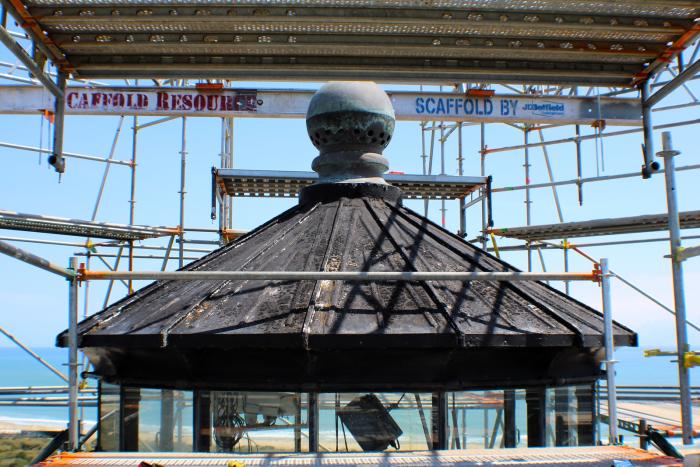
Standing along the Atlantic coast means facing some of nature’s most powerful elements. Salt air, high winds, intense sunlight and coastal storms have affected the lighthouse over time, making preservation work necessary to protect the structure for future generations.
The Cape Hatteras Lighthouse Restoration Project is focused on repairing historic materials, preserving the structure’s integrity and maintaining the authenticity of one of America’s most recognizable landmarks.
The restoration includes:
- Removing exterior and interior paint to evaluate the historic brickwork
- Repairing and repointing masonry throughout the lighthouse
- Restoring deteriorated metal components
- Repairing historic windows, doors and architectural features
- Improving the surrounding landscape and visitor experience
The goal of the project is not to change the lighthouse, but to preserve the craftsmanship and history that have allowed it to stand for more than a century.
A Rare Opportunity to See Cape Hatteras Lighthouse Differently
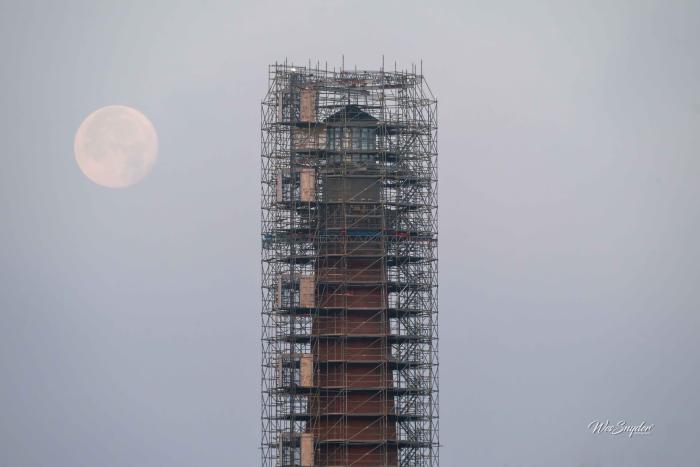
Most visitors know Cape Hatteras Lighthouse by its famous black-and-white spiral pattern. During this restoration project, however, visitors have a unique opportunity to experience this landmark in a completely different way.
As layers of paint have been removed from the tower, the original brickwork has been revealed, offering a behind-the-scenes look at the materials and craftsmanship that make this structure so remarkable.
For a limited time, visitors can witness history being preserved in real time.
The restoration provides an opportunity to:
- Walk the lighthouse grounds and experience the historic light station
- See preservation work taking place on a nationally significant landmark
- Explore the surrounding landscape and historic structures
- Learn about the lighthouse keepers who maintained the beacon for generations
- Gain a deeper appreciation for the work required to protect historic places
While many visitors experience historic sites after restoration is complete, Cape Hatteras Lighthouse offers the rare chance to see preservation happen firsthand.
Restoration Progress: What Has Happened So Far
Since restoration work began, crews have made significant progress throughout the lighthouse grounds.
Preserving the Lighthouse Structure
One of the most visible changes has been the removal of paint from both the interior and exterior of the lighthouse tower. This allowed preservation teams to inspect the historic brickwork and begin extensive masonry repairs and repointing.
Crews have also addressed repairs throughout the structure, including hundreds of metal components and areas where deterioration was discovered.
During the restoration process, contractors uncovered additional structural challenges, including deterioration affecting components such as support brackets and other metal elements. Historic architects and structural engineers have worked to develop solutions that preserve the lighthouse while maintaining its historic character.
Restoring the Historic Light Station
The project extends beyond the lighthouse tower itself. Improvements throughout the grounds are helping restore the historic setting and create a more immersive visitor experience.
Completed and ongoing improvements include:
- Native landscaping and plantings
- New pathways throughout the light station
- Restoration of historic fencing features
- Installation of the Keeper’s Walk honoring past lighthouse keepers
- Improvements to surrounding historic structures, including the Oil House
These enhancements help visitors better understand Cape Hatteras Lighthouse as a working light station — not just a landmark.
The Return of the Fresnel Lens
One of the most exciting parts of the restoration project is the return of a replica first-order Fresnel lens.
Fresnel lenses were revolutionary pieces of lighthouse technology that allowed powerful beams of light to travel great distances across the ocean. They played a critical role in guiding ships safely along the coast.
A replica lens has been completed and will be installed near the end of the restoration project. Once installed, it will restore the lighthouse’s historic flash pattern and reconnect visitors with the beacon’s original purpose.
The return of the light will mark a major milestone in the ongoing story of Cape Hatteras Lighthouse.
What Visitors Can Experience During Restoration
Although restoration work continues, the Cape Hatteras Lighthouse grounds remain a special place to visit.
Visitors can still enjoy:
- Exploring the lighthouse grounds
- Visiting the historic light station area
- Learning about the lighthouse’s history
- Enjoying nearby beach access
- Visiting the museum and gift shop
- Exploring the surrounding Hatteras Island attractions
Because restoration activities may change throughout the project, visitors should check current conditions before planning their visit.
What the Future Holds
The Cape Hatteras Lighthouse restoration project continues with additional work planned, including:
- Restoring the lighthouse’s distinctive black-and-white daymark
- Completing repairs to metal components throughout the structure
- Installing the replica Fresnel lens
- Adding restored bronze doors, windows and architectural details
- Completing final pathway and landscape improvements
As restoration milestones are reached, this guide will continue to be updated with the latest information.
Explore More Outer Banks Lighthouses
The Cape Hatteras Lighthouse is part of a remarkable collection of historic beacons that tell the story of the Outer Banks’ maritime heritage.
Visitors can continue exploring the region’s lighthouse history at:
- Bodie Island Lighthouse — Located near Oregon Inlet, this lighthouse offers sweeping coastal views and seasonal climbing opportunities.
- Currituck Beach Lighthouse — A historic brick lighthouse overlooking Corolla Village.
- Roanoke Marshes Lighthouse — A waterfront lighthouse experience in downtown Manteo.
- Ocracoke Lighthouse — North Carolina’s oldest operating lighthouse.
Make the Most of Your Hatteras Island Visit
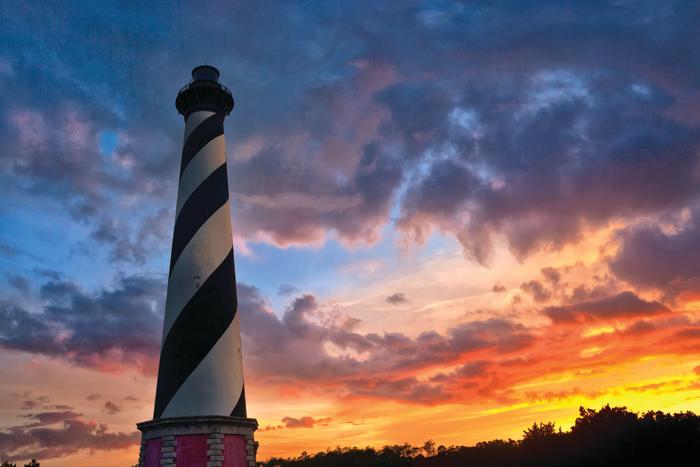
A visit to Cape Hatteras Lighthouse is an opportunity to experience the history, natural beauty and coastal culture that make Hatteras Island unique.
While visiting, consider exploring:
- Cape Hatteras National Seashore
- Graveyard of the Atlantic Museum
- Chicamacomico Life-Saving Station
- Frisco Native American Museum
- Pea Island National Wildlife Refuge
- Hatteras Island beaches and outdoor adventures
Whether you are visiting for the first time or returning to a favorite Outer Banks destination, the Cape Hatteras Lighthouse restoration offers a rare opportunity to witness preservation in action and experience a new chapter in the story of one of America’s most iconic coastal landmarks.